
Recognize · Reclaim · Rise
Love doesn't hurt.
You matter.
And you don't have to suffer in silence.
Awareness with action
Knowing help exists is not the same as knowing it is for you.
Recognize to Rise helps people see when a relationship has stopped being love, and gives them the confidence and the information to act on it.
We don't provide shelter or direct services. We connect people to the counseling, safety planning, advocacy and legal support that already exist and that most people never realize are available to them.
Recognize
Abuse is rarely obvious from within a relationship. It advances gradually, and people adapt to each stage as it arrives. Knowing the patterns puts the choice back in your hands.
See the signsReclaim
Deciding is the beginning. From there, trained advocates can help you build a plan, prepare for court, and sort out money, housing and pets. Most of it costs nothing.
Plan the way outRise
There is a life on the other side of this. Rebuilding takes time, and it deserves as much support as the leaving itself.
What comes nextThe attention gap
The most common threat is the least discussed.
A woman in the United States is roughly two and a half times more likely to experience abuse by a partner than to receive a breast cancer diagnosis.
Breast Cancer Awareness Month and Domestic Violence Awareness Month share the same thirty-one days. Every October, pink appears on storefronts, stadiums, morning television and NFL uniforms. Purple, the color of domestic violence awareness, passes almost unnoticed. Both deserve the attention. Only one of them receives it.
people per minute are physically abused by an intimate partner in the United States.
women and men affected in a single year.
women, and more than 1 in 6 men, over a lifetime.
increase in homicide risk when a firearm is present.
Sources: National Coalition Against Domestic Violence; CDC National Intimate Partner and Sexual Violence Survey; American Cancer Society, Cancer Facts & Figures 2026.
Our origin
She was planning to leave.
Angie was my best friend from the time we were ten years old. We met at piano lessons. She was educated, accomplished, married for decades, and living in a beautiful home in an upscale neighborhood.
She was being abused. Much of what she lived with was emotional, and emotional abuse is domestic violence. She never called anyone. She was working toward leaving when she was killed in her own home.
She would never have called a hotline, because she did not see herself as a victim. Everything she needed existed. Nobody ever told her it was for her.
Read her story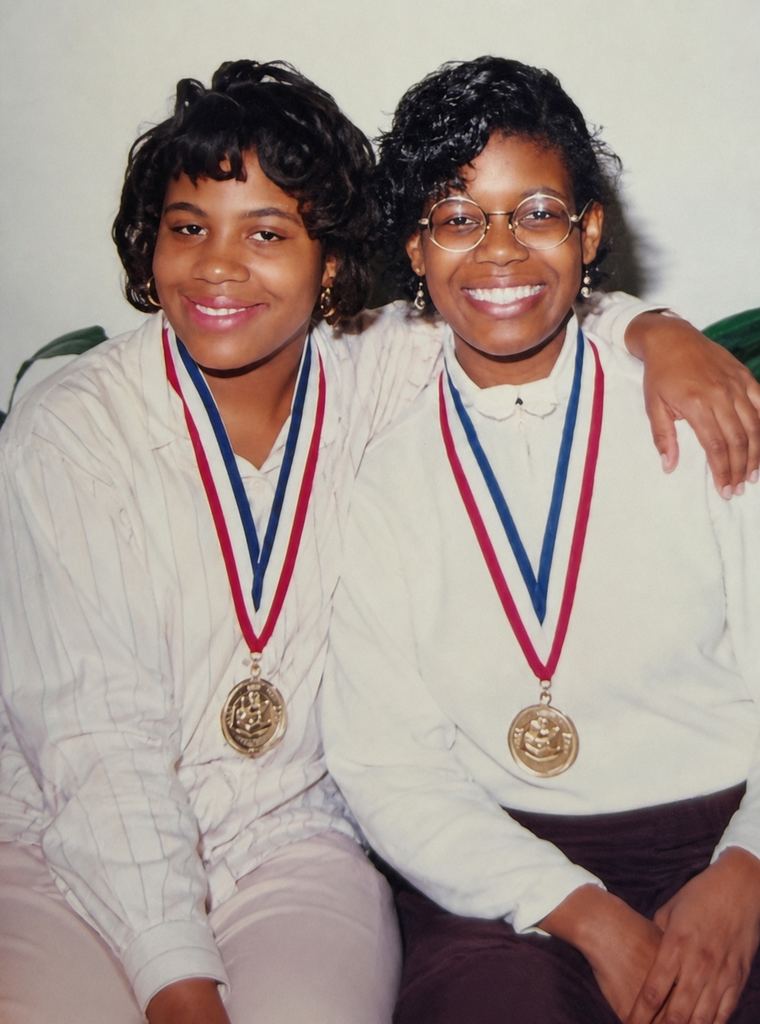
Join the movement
Awareness, advocacy, and the belief that another life is possible. Join the list and we will be in touch by email as this work grows.
We never share your information, and nothing we send identifies its subject in the subject line. Other ways to reach us.